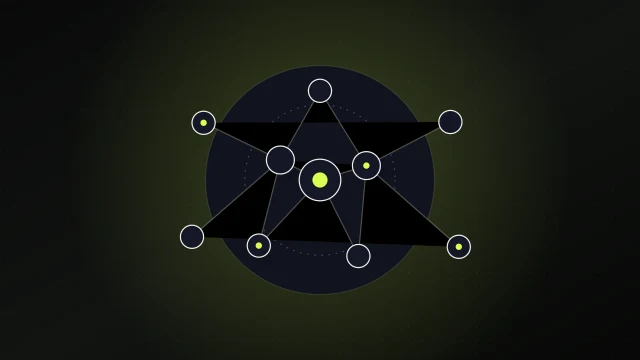
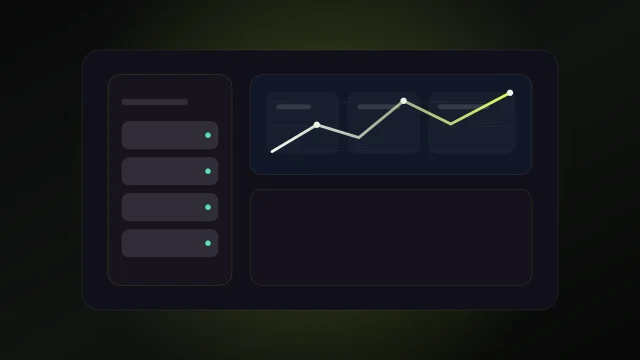
Different teams see different status
The order, trip, warehouse, documents and finance update at different speeds without a shared control event.

TRANSPORT · LOGISTICS · TECHNOLOGY
We help transport and logistics organisations define, select and deliver the right TMS, WMS, ERP, integrations and AI — on the client side.
THE DECISION GAP
The expensive part is not the licence. It is unclear ownership, inherited rules, fragmented data and acceptance without a real end-to-end journey.
The order, trip, warehouse, documents and finance update at different speeds without a shared control event.
Automation starts with a feature list, so manual handoffs and informal rules move into the new product.
Without journeys, data owners and outcome criteria, the demo works while the live operation does not.
ADVISORY SYSTEM
Find operating losses, data breaks and technology risks before choosing a system.
↗02Design a governed flow from order and planning through trip, documents and settlement.
↗03Synchronise receiving, storage, picking, dispatch and transport.
↗04Connect TMS, WMS, ERP, CRM, telematics, document management and partner services.
↗05Turn disparate operating sources into agreed metrics, causality and decisions.
↗06Automate orders, documents, correspondence and exceptions with human oversight.
↗OPERATING ENVIRONMENTS
Orders, planning, fleet, drivers, GPS, fuel, documents and trip economics.
Rates, carrier sourcing, multimodal routes, statuses, documents and margin.
Inventory, receiving, picking, slots, dispatch and transport synchronisation.
Supply, plant and regional warehouses, delivery, returns and ERP integration.
Cargo events, capacity, documents, APIs/EDI and infrastructure dispatch.
INTECRACY GROUP
We assess fit, define the role in the architecture and preserve the client’s acceptance criteria.
A platform for solutions with complex data, roles, documents and integrations.
VIEW ROLE ↗OPERATIONS & FINANCEA5.ERPRelevant modules for the accounting and financial landscape of transport and logistics organisations.
VIEW ROLE ↗PROCESS & DOCUMENTSScriptumGoverned workflows for orders, contracts, transport documents, claims and approvals.
VIEW ROLE ↗DIGITAL AGREEMENTSDealsApprove and sign counterparty documents in a governed digital journey.
VIEW ROLE ↗CONTROLLED DELIVERY
Capture goals, processes, systems, data, losses and constraints.
Design roles, events, data, integrations and outcome criteria.
Compare options, shape the backlog and govern short delivery waves.
Validate end-to-end journeys, hand over operating rules and prioritise improvements.
EXPERT CORE
LOGISTICS SYSTEMS JOURNAL
AI-driven automation of document management in logistics is essential for enhancing efficiency and regulatory compliance, but requires careful planning.
 Mykhailo Vyhovsky6 min read
A recent article from Deals highlights how electronic document management and e-TTN are transforming Ukraine's logistics industry by optimizing processes and reducing costs.
Mykhailo Vyhovsky2 min readA practical way for transport directors to compare systems using one order, its exceptions and the evidence needed for settlement.
 Anton Marrero5 min read
FAQ
Select a question to reveal the answer.
No. We work on the client side: define the need, compare options and govern delivery. Where appropriate, relevant Intecracy Group products can form part of the architecture.
Yes. The assessment may show that an integration layer, focused module or process change is better than a large migration.
With an initial conversation and a paid discovery with concrete outputs: problem map, target design and realistic plan.
In documents and orders, anomaly detection, exception explanation and decision preparation. Critical actions stay under accountable human control.